When is a shed not a shed? What recent tax cases could mean for agricultural buildings

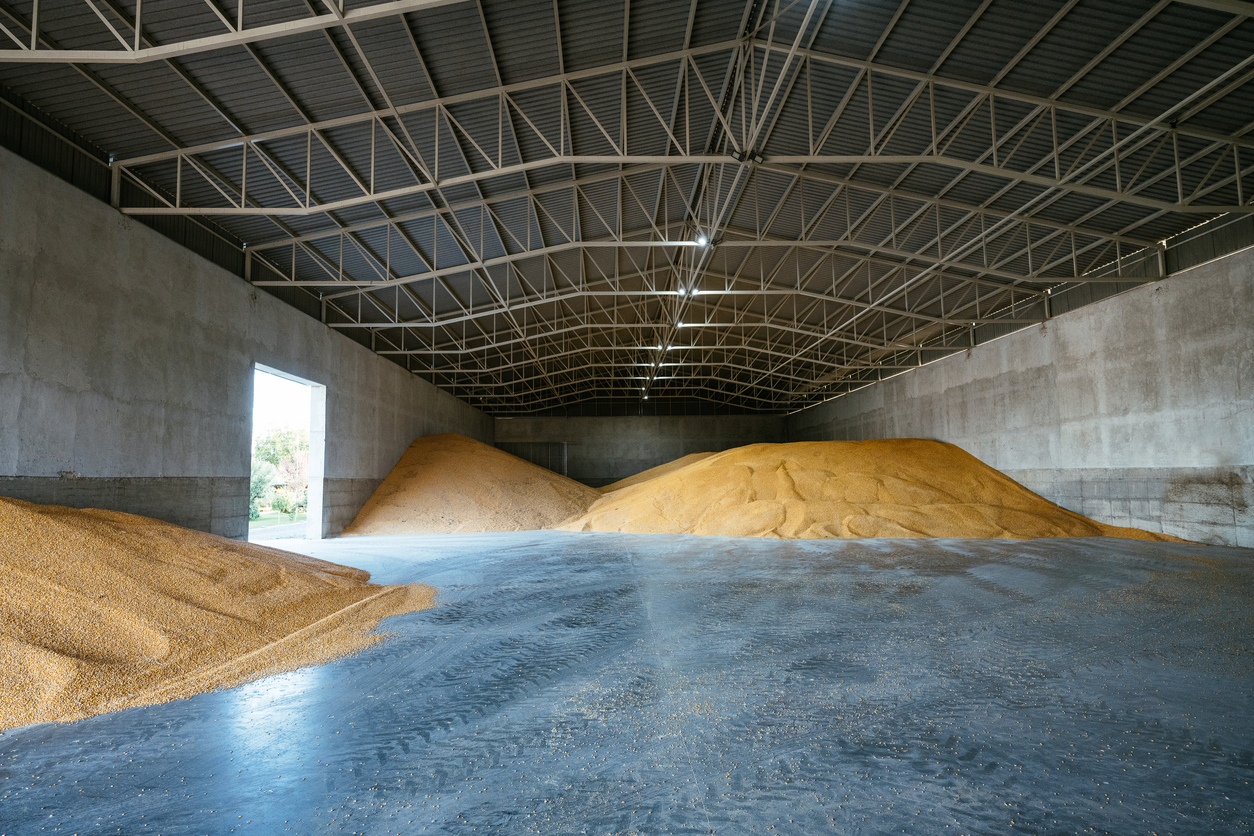
A grain store may look like a shed, but recent tax cases suggest it could be something much more valuable from a capital allowances perspective.
Agricultural buildings have changed significantly. What were once simple storage sheds are now often specialised facilities designed to protect, preserve, process, or manage agricultural products.
That matters for capital allowances. In some cases, a building may be doing more than providing shelter. Integrated handling systems, environmental controls, ventilation, specialist finishes, and mechanical and electrical installations can all form part of a wider operational process. The question is whether some expenditure could qualify as plant and machinery, rather than structural building cost.
Recent Tribunal decisions suggest that, in the right circumstances, grain and potato storage facilities may qualify for faster and more valuable tax relief than expected, supporting cash flow on recent or planned construction.
A quick look at the background
Historically, agricultural businesses could claim Agricultural Buildings Allowances (ABAs) on qualifying expenditure, but their withdrawal between 2008 and 2011 removed relief on structural elements of new agricultural buildings.
Plant and machinery allowances remained available for certain fixtures, fittings, and electrical systems, but foundations, structural frames, and cladding no longer qualified for tax relief.
Structures and Buildings Allowances (SBAs), introduced in October 2018, restored relief for structural expenditure over 33⅓ years.
For example, £200,000 of expenditure qualifying for SBAs would produce relief of £6,000 a year for 33 years, plus £2,000 in the final one-third year. That gives an annual cash tax saving of £1,500 for a company paying corporation tax at 25%, or £2,400 for a taxpayer paying income tax at 40%.
The key question is whether a faster and more valuable route may be available.
In two recent Tribunal cases, the issue was function: were the facilities simply buildings, or specialist structures performing an active role?
Grain stores: when the building became plant
In S.C. May v HMRC, the dispute concerned expenditure on a grain drying, conditioning, and storage facility.
The facility included bespoke grain handling machinery and design features specific to grain storage, and had been built solely to handle and temporarily store grain.
HMRC argued the expenditure did not qualify for plant and machinery allowances; the taxpayer argued the facility was a specialist structure performing an active function.
The Tribunal agreed with the taxpayer, concluding that the facility was a silo provided for temporary storage and qualified as plant and machinery. HMRC did not appeal.
The significance is that the facility, taken as a whole, qualified for plant and machinery allowances rather than relying solely on SBAs, potentially giving similar grain stores faster tax relief. This reflects a wider focus on whether expenditure is sufficiently connected to the provision of qualifying plant, as explored in our article on costs linked to providing plant.
Potato stores: function mattered more than appearance
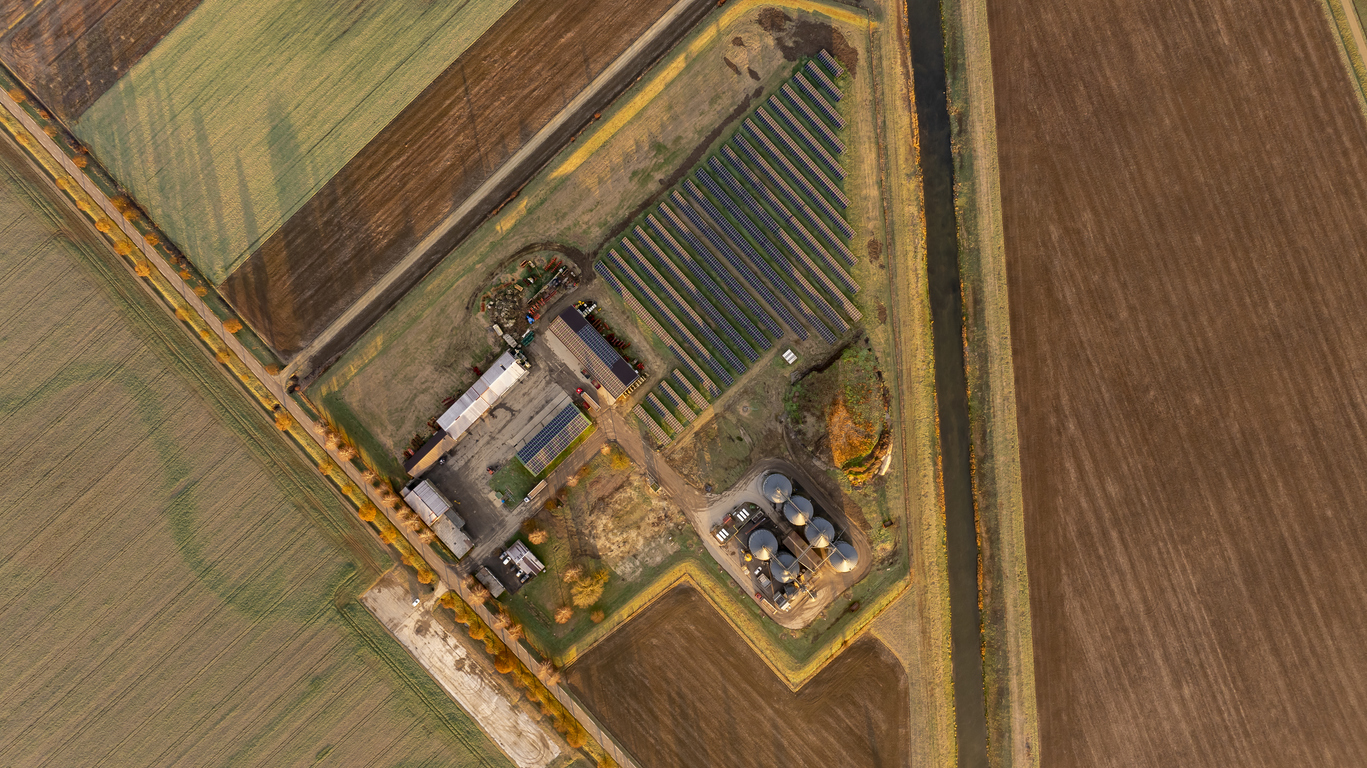
A similar conclusion was reached in JRO Griffiths v HMRC, involving a potato storage building used to store and dry potatoes to a specified quality for crisp manufacturers.
Externally, the store looked like a standard agricultural warehouse. In practice, it was a specialised facility controlling moisture and temperature over several months to preserve quality and value before sale.
Again, the Tribunal found for the taxpayer, concluding that the facility qualified as:
- a silo provided for temporary storage;
- plant and machinery; and
- a cold store.
As with S.C. May, HMRC did not appeal.
The decision reinforces that some specialist agricultural storage facilities may be more than passive buildings. Where the structure’s function is central to its purpose, plant and machinery treatment may be available more widely than expected.
Poultry housing: proceed with caution
Poultry housing remains different. HMRC guidance says plant and machinery claims should generally be refused unless the structure is movable and intended to be moved in the course of the trade.
Modern poultry buildings may include sophisticated environmental controls, but that does not automatically mean the structure itself qualifies as plant and machinery.
Claims should therefore be approached on a component-by-component basis, with plant and machinery allowances and SBAs identified separately and structural elements kept out of the plant claim.
Claims for foundations, structural frames, and cladding on the basis that a poultry house is environmentally controlled may not withstand HMRC scrutiny. Extractor fans alone are unlikely to be enough.
Unlike grain and potato stores, poultry housing does not currently benefit from a favourable Tribunal decision supporting structural claims as plant and machinery, so caution is needed.
What should agricultural businesses do now?
The recent Tribunal decisions do not mean every agricultural building will qualify for plant and machinery allowances.
They do, however, underline the need to understand what a building does, not just what it looks like. In the right circumstances, function can be just as important as form.
If you have built, are building, or are planning a grain or potato storage facility, it is worth reviewing the position before assuming SBAs are the only route available. You should also consider current capital allowances changes when planning the timing and structure of investment.
The starting point should be the building’s function, supported by clear evidence such as specifications, cost information, and an explanation of how it operates. These claims remain fact-specific and technical, so advice should be taken before making or revisiting a claim. Recent decisions on pre-construction costs and allowances also underline the importance of assessing each cost carefully.
The key point is clear, in the right circumstances, an agricultural shed may be much more than just a shed.
Find out more
Planning a new grain store, potato store, poultry house, or other specialist agricultural building? The way it's designed and used could have a significant impact on the capital allowances available. Speak to Robert Winters, Vicki Smith, another member of our specialist Construction & Property Incentives team, or your usual Johnston Carmichael contact to discuss your project.