Are engineering and manufacturing businesses missing half the tax relief picture?

Imagine going to the Louvre and only looking at one half of the Mona Lisa or looking up at Everest but blocking out the summit. While you could, technically, say you had ‘seen’ them, you would have missed much of what makes them remarkable. And yet, when it comes to exploring options for tax relief, many engineering and manufacturing businesses really aren’t seeing the full picture.
Of course, as a sector, engineering and manufacturing is very familiar with R&D tax relief. After all, businesses in these sectors are constantly investing in new products, processes and technologies to improve performance, efficiency and competitiveness. However, the bigger opportunity often lies in considering both reliefs together at the planning stage, allowing businesses to make better-informed project decisions, build tax relief into costing assumptions, and maximise value from the outset.
Whether you're developing new products, building testing facilities, upgrading production lines, or investing in automation, a single project can create multiple opportunities for relief. Understanding where those opportunities sit can accelerate cash flow and improve returns on investment.
Why it works for this sector
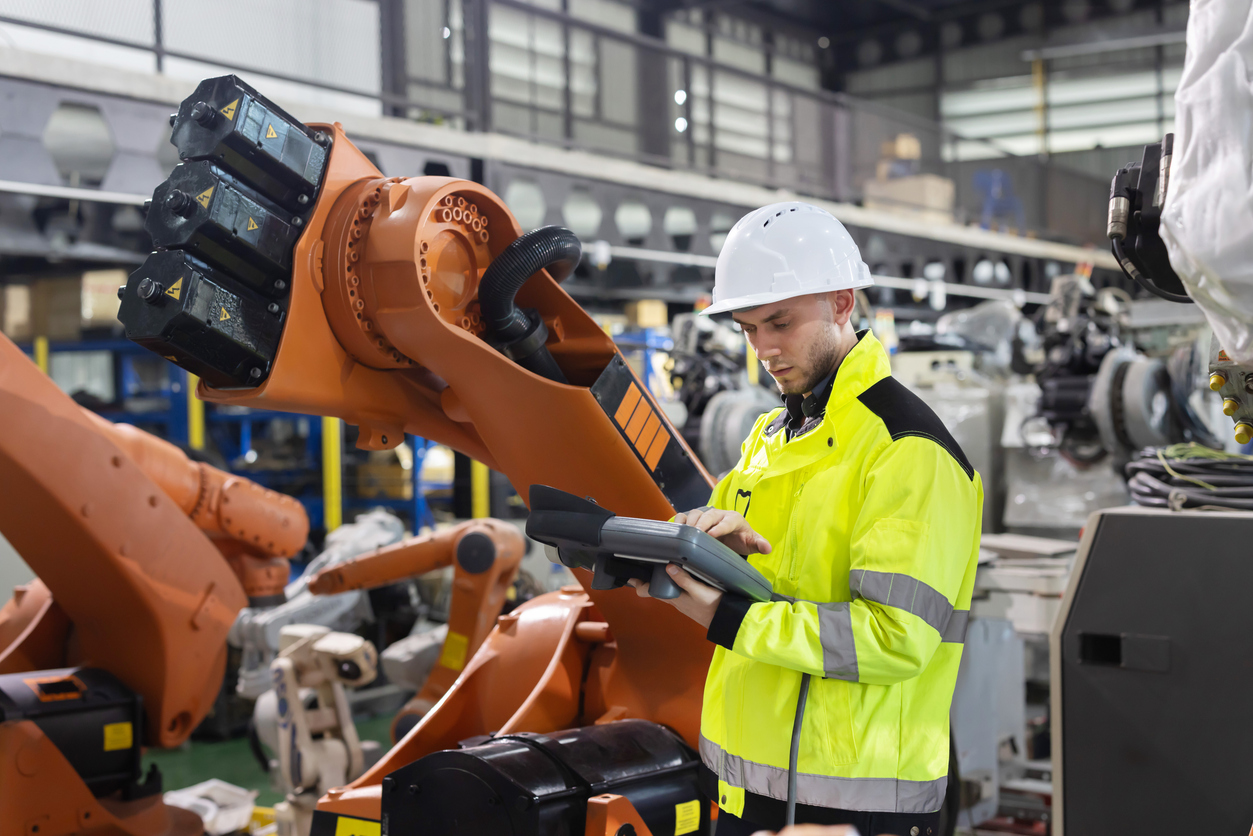
Engineering and manufacturing businesses are among the few sectors where substantial R&D activity and substantial capital investment frequently sit side by side. But most businesses separate these conversations, and this can result in identifying one relief but overlooking the other. More importantly, capital expenditure timing and relief should be considered at the planning stage, alongside how a project is structured, which assets are purchased, and which contracts are agreed.
While R&D tax credits reward companies for investing in innovation, science, and technology, capital allowances let businesses deduct the cost of qualifying capital assets (like machinery, equipment, and commercial property fixtures) from taxable profits. Set out this way, the potential for significant overlap becomes clear.
Making the most of R&D
For many engineering and manufacturing businesses, innovation is part of day-to-day operations. Whether developing new products, improving production processes, increasing efficiency, or overcoming technical challenges, these activities may create opportunities to claim R&D tax relief. However, innovation alone is not enough: require a project to seek an advance in science or technology by resolving scientific or technological uncertainty.
The regime is designed to support businesses investing in science and technology advances by providing relief for qualifying expenditure. This can include costs associated with people, software, consumables, and certain subcontracted activities involved in the R&D process. HMRC’s guidance on eligible R&D costs sets out how these categories are treated.
Innovation is rarely confined to one business function. It can be embedded across product development, process improvement, automation, and operational efficiency.
When identified and documented correctly, R&D tax relief can support future growth, and our R&D tax incentive services can help businesses assess and prepare a claim.
Identifying the missed opportunities – capital allowances
Investments in new facilities, testing environments, production lines, specialist equipment, and improvements to existing premises may all create opportunities for capital allowances for manufacturers.
Depending on the nature of the investment, expenditure could qualify for Research and Development Allowances (RDAs), plant and machinery allowances, or Structures and Buildings Allowances (SBAs). Yet these reliefs often receive less attention than R&D tax relief, despite frequently arising from the same projects.
This is particularly relevant in engineering and manufacturing, where innovation and capital investment often go hand in hand. A project to develop a new product or process may involve not only qualifying R&D activity, but also significant expenditure on buildings, machinery, equipment, and infrastructure.
By considering capital allowances alongside R&D tax relief from the outset, businesses can identify qualifying expenditure earlier, improve the quality of claims, and maximise the relief available from a single investment project.
How R&D tax relief and capital allowances work together
Too often, businesses consider R&D tax relief and capital allowances in isolation. In reality, engineering and manufacturing projects rarely fit neatly into a single category.
A project to develop a new product, improve a process, or expand production capacity may involve both qualifying R&D activity and significant investment in buildings, machinery, and equipment. By taking a wider view from the outset, businesses can identify opportunities across the whole project, rather than focusing on individual costs in isolation. The result is often a more complete understanding of the reliefs available and a stronger return on investment.
The distinction often comes down to the type of expenditure involved. For example, costs associated with people, software, consumables, and certain subcontracted activities may be relevant for R&D tax relief, while expenditure on buildings, structures, machinery, and equipment could qualify for capital allowances. These are not exhaustive lists, and the treatment will depend on the nature of the expenditure and the project.
Reviewing the project as a whole can help the business classify costs correctly, retain evidence for R&D claims , and involve the relevant advisers before important information becomes difficult to recover.
Understanding that distinction is key. A single project can contain both revenue and capital expenditure, creating opportunities to claim relief under more than one regime.
Early planning and good advice are key
The earlier businesses consider R&D tax relief and capital allowances, the greater the opportunity to identify qualifying expenditure and build robust claims. Waiting until a project has been completed, or even just until it has started, can make it harder to separate costs, gather evidence, and capture the full value of the reliefs available.
By planning R&D claims early, involving the right people from the outset, and maintaining clear records throughout the project, businesses can put themselves in a stronger position to maximise available reliefs and support future investment decisions.
For engineering and manufacturing businesses, innovation and investment rarely happen in isolation. The same project can involve qualifying R&D activity, significant capital expenditure, and multiple opportunities for tax relief.
By looking at projects as a whole, rather than through a single tax lens, businesses can gain a clearer picture of the support available, improve cash flow, and maximise the return on investment.
If you're investing in new products, processes, facilities, or equipment, now may be the right time to review whether you're making the most of the reliefs available. Johnston Carmichael's R&D and Capital Allowances specialists work together to help businesses identify opportunities, build robust claims, and unlock value from innovation and investment.
To find out how we can help, get in touch with our team or fill out the short form below.