Scotland’s energy sector: the capability is here. Now we need the conditions

The conversations around All-Energy in Glasgow in May, spanning operators, supply chain firms and technology developers, have reflected a strong sense of positivity across the sector. Despite ongoing national debate over energy security and policy, there is clearly no shortage of willingness or ambition. What there is though, is a sure and damaging lack of certainty.
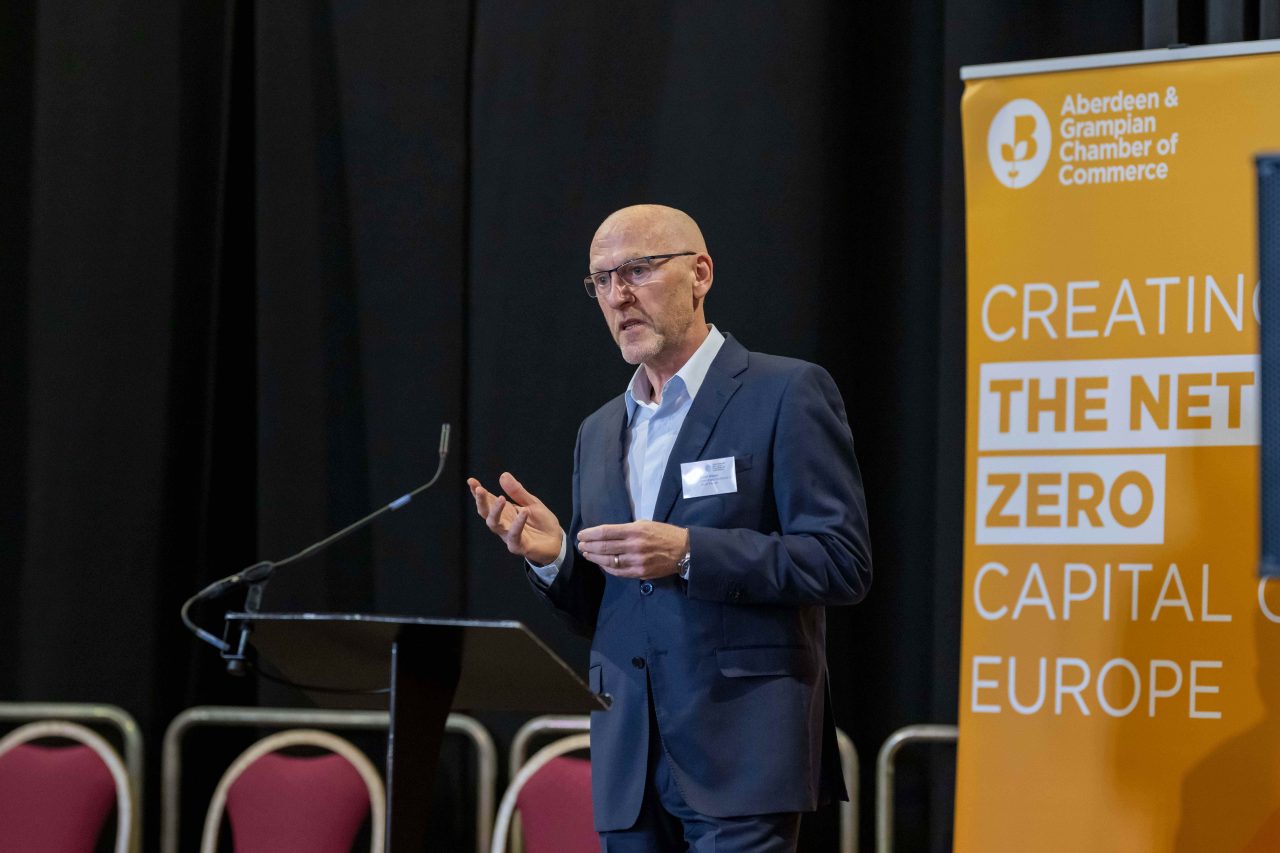
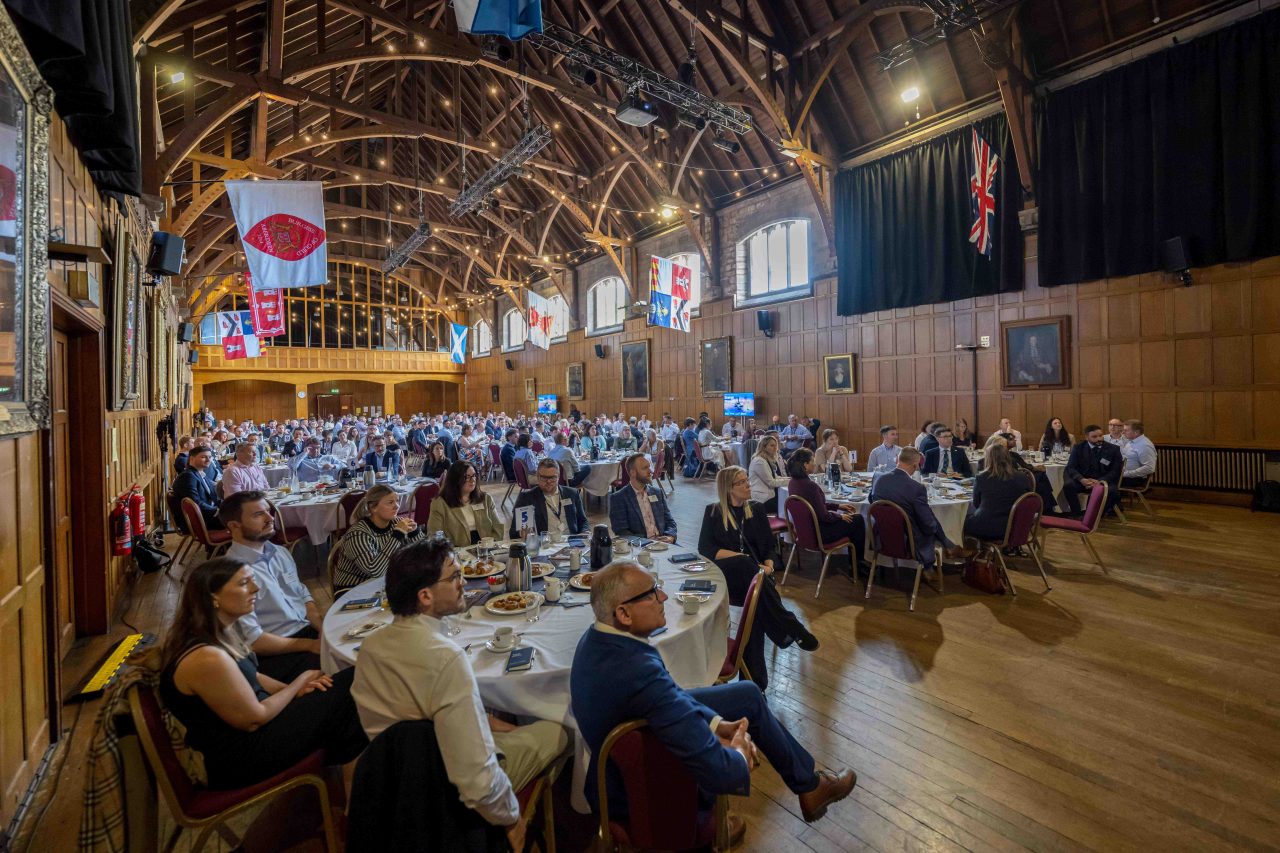
That mood sits squarely with what our clients have been telling us, and it is reflected throughout the latest Aberdeen & Grampian Chamber of Commerce Energy Transition Survey, published this week and launched at Tuesday’s (May 26) sold-out Business Breakfast.
One of the headline findings that will rightly attract attention is this: business respondents expect overseas markets to overtake the UK as their primary source of revenue within five years. The UK currently accounts for 57% of respondents' revenue. In five years, that is expected to fall to 48%, with revenue from the rest of the world rising to 37%. The Middle East, Africa and the Americas are absorbing investment, talent and opportunity that could, with the right conditions, be retained here in the North-east and wider UK.
This is not a story about businesses turning their backs on Scotland, the success and findings from All-Energy is testament to that, but it is a story about capital going where conditions are clear. Outside the UK, activity appears driven by commercial fundamentals: demand, margins, project pipelines. Inside the UK, government policy and taxation rank above all of those as the primary drivers of activity, according to 80% and 78% of respondents respectively. These are striking and uncomfortable statistics.
The risk the survey identifies most clearly is one of pace mismatch. North Sea oil and gas activity is declining faster than transition industries are growing. Scotland's supply chain sits in that gap, and without a more coordinated approach to policy and investment, the skills, infrastructure and industrial capability that Scotland has spent decades building risk being redirected elsewhere before the transition economy is ready to sustain them.
And yet the case for optimism is genuine. The North-east possesses exactly the engineering expertise, offshore project delivery experience and subsea capability that floating wind, carbon capture, hydrogen and electrification projects require. These are not legacy assets. They are the foundation of whatever comes next.
What is needed to realise that potential doesn’t need to be complicated. Fiscal stability and a credible licensing framework would help the energy sector massively. And, crucially, so would a clear Scottish Government energy policy - the absence of which almost every single survey respondent describes as damaging to investment confidence. With a new cabinet now in place, that last point is entirely within Holyrood's gift.
The conversations at All-Energy and with clients elsewhere have been, on balance, more optimistic than the data and outside narrative might suggest. The sector knows what it is capable of and knows what it needs. Johnston Carmichael’s clients across energy and energy-adjacent businesses are planning for the future, investing in new technologies and working through genuine transition. The foundations are strong. Getting the policy framework right is what turns that potential into lasting economic value for Scotland.