From resilience to reinvention: what’s next for the Food & Drink sector?

Scotland’s Food & Drink sector is facing some of the most challenging conditions in its recent history. In just a few years, businesses have had to contend with rising costs, supply‑chain disruption, labour shortages and an increasingly complex regulatory environment.
Through insights gathered from speaking with industry leaders, sector events and the latest Johnston Carmichael Food & Drink Industry Report, a clear picture is emerging: this is a sector under sustained pressure but actively adapting.
The challenge now is not just to respond to pressure, but to use it as a catalyst for transformation. This transformation is already taking shape across the sector. From workforce challenges to cost pressures, technology adoption and regulatory change, a number of clear themes are emerging that signal where the industry is heading next.
A structural shift in the workforce
Labour shortages are no longer a short-term issue; they’re becoming embedded in the operating model of the sector. A clear constraint on growth, there is a notable mindset shift amongst businesses. Many recognise that the future workforce will be shaped by a combination of accelerated adoption of automation, greater investment in skills development and redesign of roles to improve retention.
Victor West, CEO of Macsween Allan Food Group, noted that innovation has become a necessity rather than a choice, driven by rising labour costs and ongoing skills shortages. Bill Gow, Finance Director at Tunnock’s, echoed this view, explaining that their business is now operating its third generation of factory robotics. Crucially, this investment is not about replacing people. It has enabled increased production while continuing to support employment in the local community.
These experiences are reflected in our industry report. Labour costs have risen for the third consecutive year, with 75% of surveyed businesses reporting staff cost increases of between 5% and 20%. Skills shortages continue to limit productivity, leading many organisations to adopt automation not as a cost‑cutting exercise, but as a practical response to persistent labour constraints.
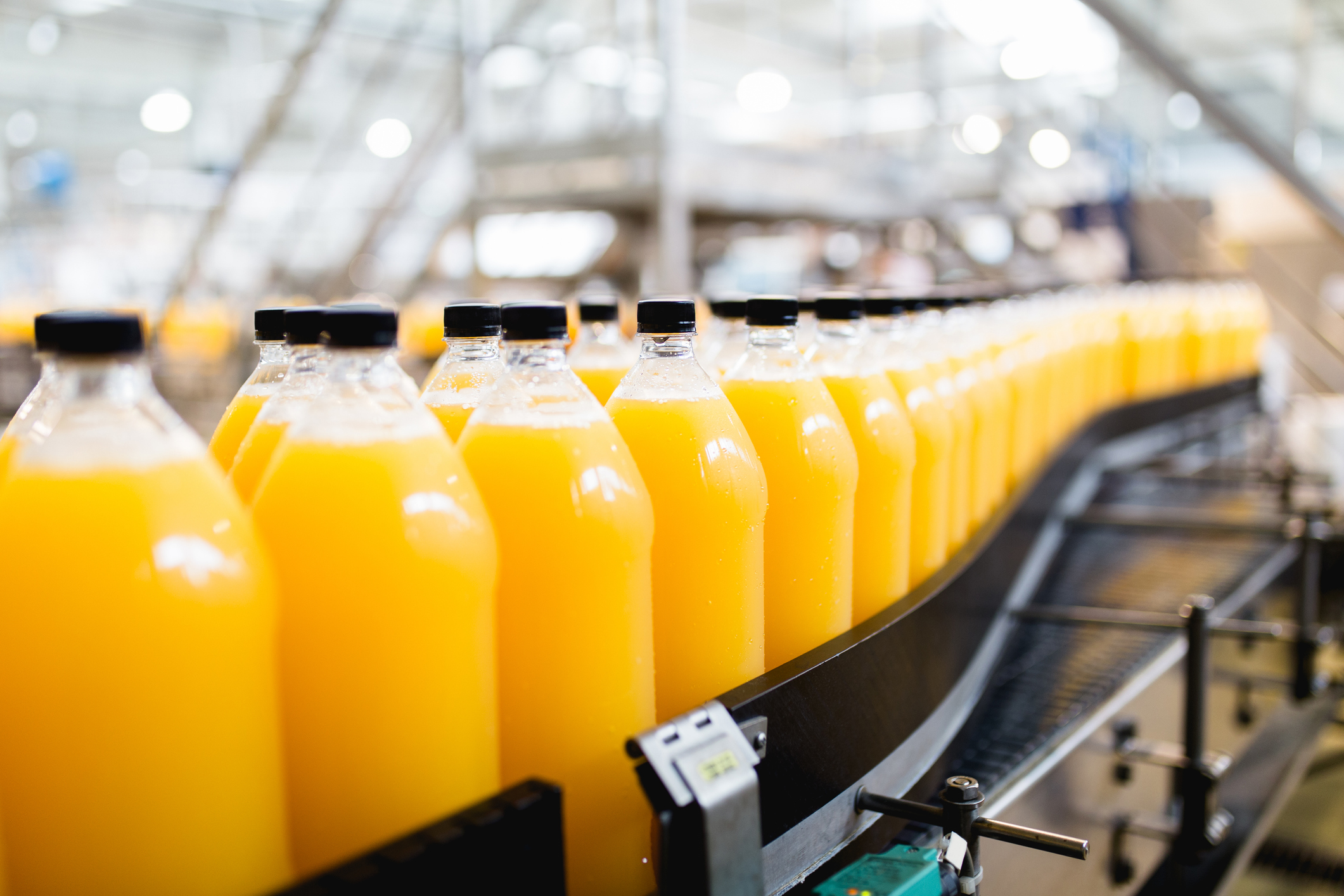
Manufacturers eating the inflationary increase
From cocoa to cucumbers, food manufacturers continue to face sustained cost pressures driven by global supply‑chain disruption. The ongoing Russia‑Ukraine war and continued instability in the Middle East, alongside weather‑related factors such as El Niño patterns affecting key growing regions, have disrupted supply and availability. This has pushed up raw material, energy and logistics costs across the sector.
While some increases have been passed on to customers, there are clear limits to how far price increases can be passed on in a competitive retail environment, with businesses absorbing a significant share themselves. Many are taking a long‑term view, prioritising the protection of customer relationships rather than fully recovering rising costs in the short term.
This is reflected in the industry report, which shows labour, energy and raw material costs typically rising by 5 to 10%, while average price increases remain between 0 and 5%. As a result, margins across the sector continue to face sustained pressure.
While manufacturers have historically absorbed costs to maintain volumes, questions remain around how sustainable this approach is, forcing a more fundamental rethink of commercial strategy. Looking ahead, businesses are focused on their financial resilience, adopting a more rigorous cost discipline across operations, and with a greater focus on product mix and profitability.
Harnessing AI to cut waste, boost efficiency and drive growth
In facing these headwinds, one consistent message has emerged. AI is moving beyond experimentation and into practical use. Simon Hannah, CEO of JW Filshill, jokes that there are two types of AI, “artificial intelligence and actual intelligence”. AI has the potential to enhance, rather than replace, human capability. Scottish EDGE winner, Goat Rodeo Goods, described AI as their “third business partner”.
AI featured for the first time in our annual industry survey. Only 14% of respondents reported deploying AI widely, while 35% said they do not currently use AI. The results highlight a significant untapped opportunity, with AI offering practical benefits across forecasting, supply‑chain resilience, waste reduction and process efficiency at a time when labour shortages and rising costs continue to squeeze margins.
Regulators turning up the heat
Regulation is becoming a more prominent and, in many cases, more immediate commercial consideration. Measures such as Extended Producer Responsibility (EPR) are already influencing packaging strategies, cost structures and product design decisions. Larger producers, including Tunnock’s and Macsween Allan Food Group, noted that EPR has prompted packaging reviews across their product ranges. For smaller and early‑stage businesses, the impact can be more immediate, with Goat Rodeo Goods reporting a 9 pence per jar increase in costs.
The industry report reinforces these concerns. Regulatory burden was rated “very high” for small businesses and “high” for medium and large enterprises. Taxation, HMRC compliance, trade tariffs and EPR were cited as the most significant regulatory pressures. Greater clarity, stability and predictability around regulation will remain essential in supporting long‑term investment decisions.
Clarity and consistency in regulation will remain critical. However, businesses that anticipate and adapt early will have a distinct advantage over those reacting later.
Looking to the future: from resilience to growth
The Food & Drink sector has demonstrated remarkable resilience in recent years and continues to adapt with a clear focus on long‑term sustainability. That resilience is rooted in strong family‑owned brands, deep local connections and a collaborative community ethos that encourages businesses to learn, share and grow together.
Resilience is not just about absorbing pressure, but about making practical changes that support more sustainable growth. The next phase will be defined by businesses that are investing in their people, adopting automation and AI to bolster efficiency, and taking a measured approach to managing costs.
Find out more
A copy of the full Johnston Carmichael Food and Drink Industry Report is available. To discuss how these issues may affect your business, please get in touch with our Food & Drink team.